
Joseon Tiger Reimagines Korean Independence Hero Hong Beom-do Through Breaking and Street Dance
The original Korean street-dance musical combines breaking, visual storytelling and historical narrative to bring the life of independence commander Hong Beom-do to a contemporary stage.
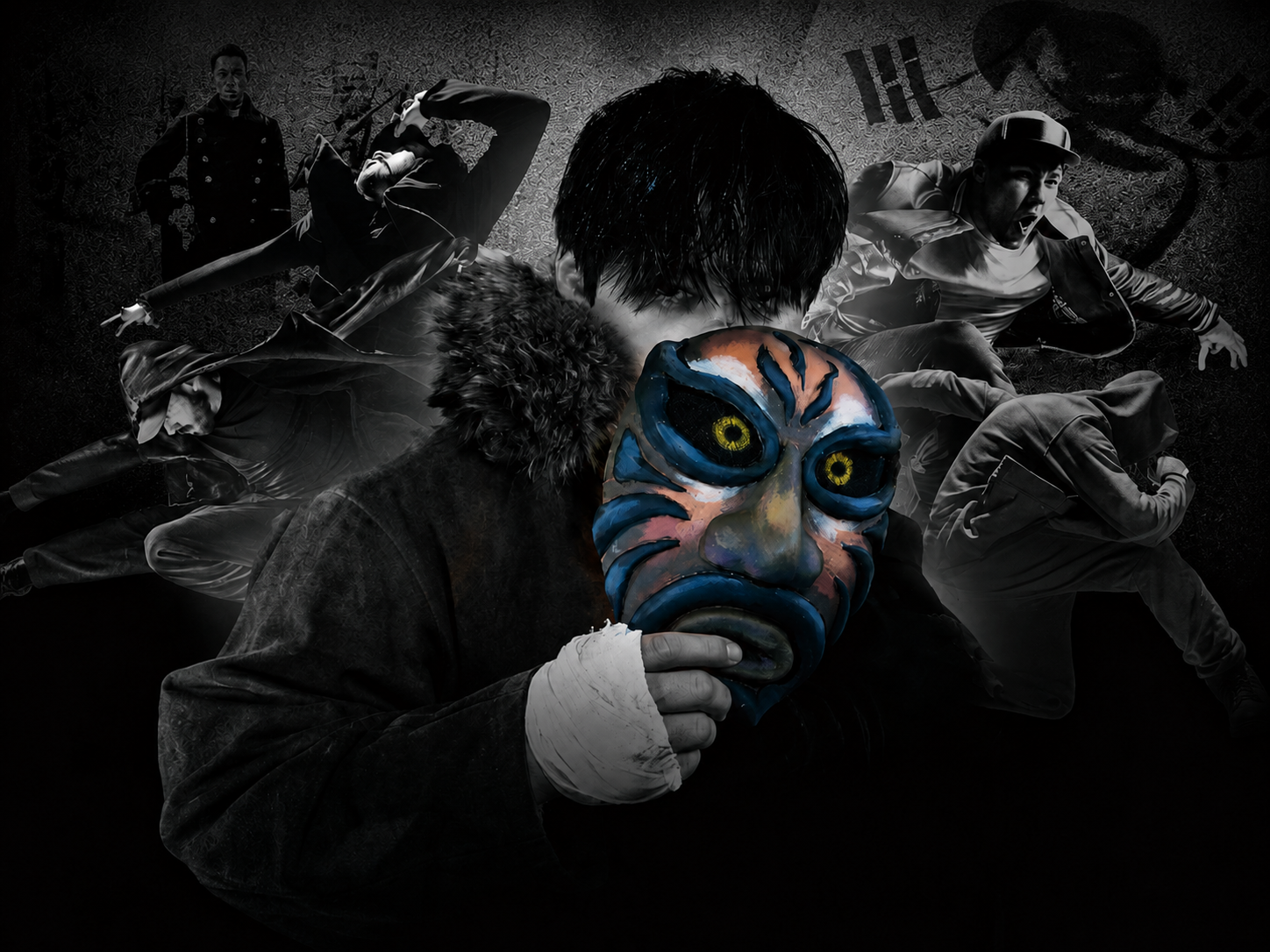
Korean history and contemporary street culture came together in “Joseon Tiger: Commander Hong Beom-do of the Korean Independence Army”, an original non-verbal street-dance musical portraying the life and resistance of legendary Korean independence commander Hong Beom-do.
The production premiered on May 25, 2024 at the Multi-Bunker of Gyeonggi Sangsang Campus in Suwon, South Korea, presenting the story of one of Korea’s most recognized independence fighters through breaking, street dance and multimedia storytelling.
The project was selected through a Gyeonggi Province and Gyeonggi Cultural Foundation support program focused on cultural projects addressing the legacy of Japanese colonial rule and Korea’s anti-Japanese independence movement.
Following a showcase presented in September 2023, the May 2024 production marked the work’s first full-stage performance.
The Story of Hong Beom-do Told Through Breaking
Joseon Tiger centers on the military achievements and resistance of Hong Beom-do, including major victories against Japanese forces associated with the Battle of Bongo-dong and the Battle of Cheongsanri.
Rather than presenting the story through a conventional dialogue-driven theatrical format, the production uses breaking and street dance as its primary performance language.
Video-based storytelling is integrated throughout the production to help audiences understand the historical context, characters and progression of the narrative.
The result creates a contemporary performance format in which physical movement becomes the primary means of communicating conflict, resistance and emotion.
Kim Sun Yeop and Hwang Dae Kyun Lead the Creative Direction
The production was developed through the collaboration of Kim Sun Yeop, who served as executive director, and Hwang Dae Kyun, who served as choreography director.
Kim, an adjunct professor in Osan University’s Vocal K-Pop Content department, led the overall planning and direction of the performance.
Hwang Dae Kyun, internationally known within breaking and active as an international breaking judge, directed the choreography.
Their collaboration brought together theatrical production, breaking technique, historical narrative and visual media to develop the work as a distinctive form of Korean contemporary performing art.
Baek Jin Takes the Role of Hong Beom-do
Dancer Baek Jin was cast in the central role of Hong Beom-do.
Baek became known to wider audiences through appearances on Produce X 101 and Mnet’s Street Man Fighter: Be Mbitious.
His role required the historical figure to be interpreted largely through movement rather than spoken dialogue, placing physical expression at the center of the character.
Through dance, staging and multimedia imagery, the production explores both the public achievements and emotional dimensions of Hong Beom-do’s story.
Honor Breakerz Brings the Independence Army to the Stage
Members of Honor Breakerz took on the roles of both independence fighters and Japanese soldiers throughout the performance.
The Korean dance crew contributed the energy and physicality of contemporary street performance to large-scale battle scenes, ensemble sequences and narrative transitions.
Their involvement also demonstrates how breaking crews can expand beyond battles and competitions into narrative theater, cultural productions and multidisciplinary performance.
Through coordinated movement and character-driven choreography, the dancers translate historical conflict into a visual language built around rhythm, tension and physical interaction.
Korean History Meets Contemporary Performance
One of the defining qualities of Joseon Tiger is its effort to connect historical memory with a performance language associated with contemporary youth culture.
Breaking developed as a global street culture, while the story of Hong Beom-do belongs to a pivotal chapter in Korea’s struggle for independence.
Bringing the two together allows the production to approach history from a different perspective — not as a static reconstruction, but as a living, physical and emotional performance.
The multimedia format also offers possibilities for audiences who may be less familiar with the historical background, combining visual information with the immediacy of live dance.
Remembering Hong Beom-do Through a New Artistic Language
Kim Sun Yeop explained that expressing both Hong Beom-do’s inner world and the turbulent historical period through dance and video presented a significant creative challenge.
The production team approached the project with respect for the independence commander and with a strong sense of responsibility toward the historical material.
That approach places Joseon Tiger at the intersection of historical education, cultural storytelling and contemporary performance.
Instead of separating Korean history from modern popular culture, the production connects the two through movement, cinematic imagery and street-dance vocabulary.
Expanding the Possibilities of Korean Street Dance
The production also demonstrates the expanding role of Korean breaking and street dance within the performing arts.
What developed through crews, battles and competitive stages can also function as a language for theatrical storytelling, historical interpretation and cultural exchange.
Through the collaboration of directors, dancers and visual creators, Joseon Tiger transforms the history of Hong Beom-do into a contemporary stage work capable of reaching audiences through both physical intensity and narrative depth.
In doing so, the production presents a model for how Korean performing arts can connect national history with the global vocabulary of breaking and street culture.